Restoring soul to digitally enabled bookselling
2017-2019
Client
Barnes & Noble

The Challenge
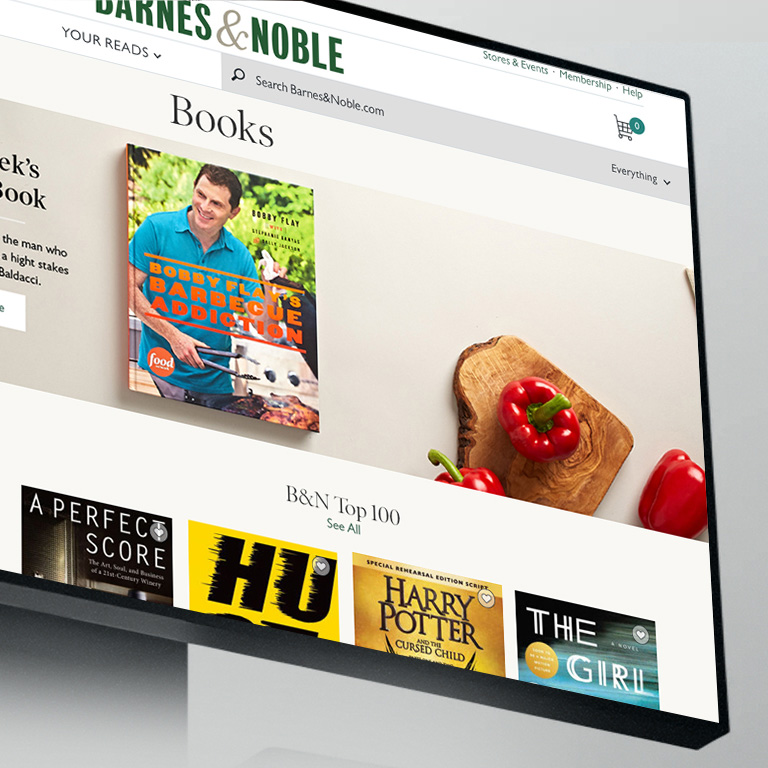
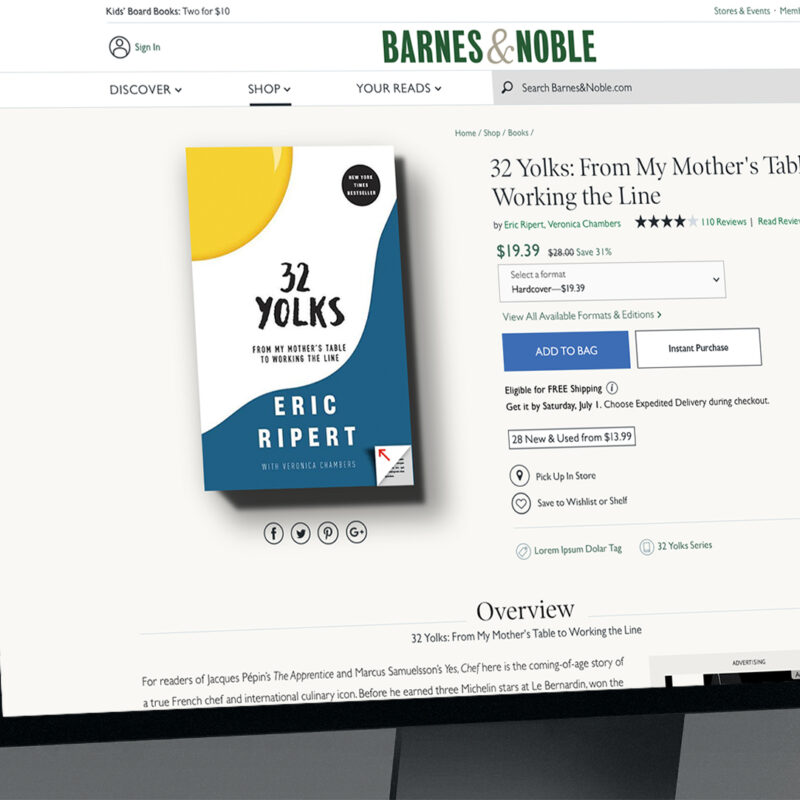
Barnes & Noble was competing for digital book buyers against Amazon’s data-driven, algorithm-first shopping model — an approach built for efficiency, not for the sense of wandering discovery that draws readers into a physical bookstore in the first place. Generic, catalog-wide recommendation engines were the norm across bookselling sites, but they rarely captured what actually makes a reader fall in love with a new title: mood, emotional resonance, and the kind of knowledgeable guidance a bookseller offers in person.
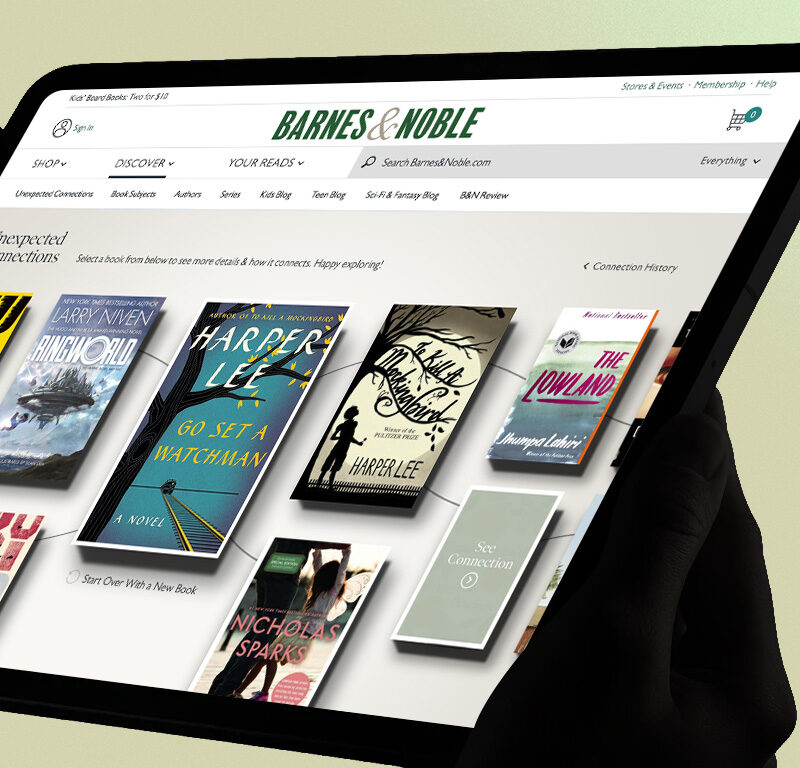
Two more specific gaps sat inside that larger problem. First, B&N’s vast catalog made it hard for readers to surface genuinely interesting connections between books beyond the obvious groupings of genre or author. Second, customer research surfaced a real hesitation around gift-giving: people knew someone in their life was an avid reader, but lacked the confidence to pick a title that reader would actually love.
Approach
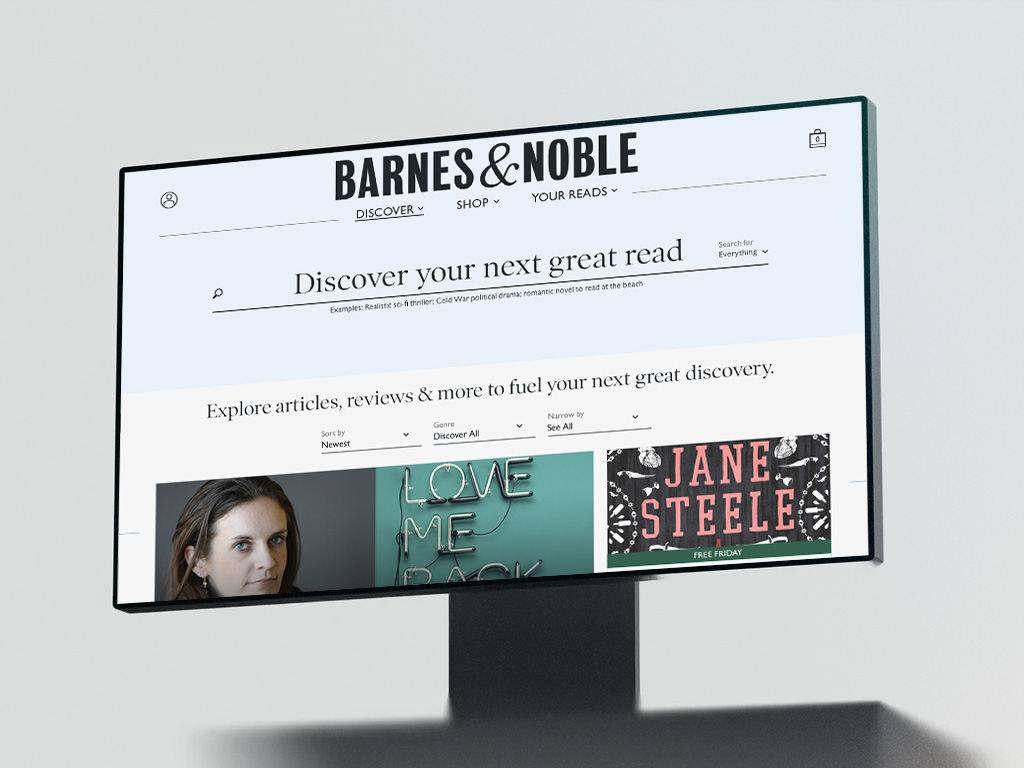
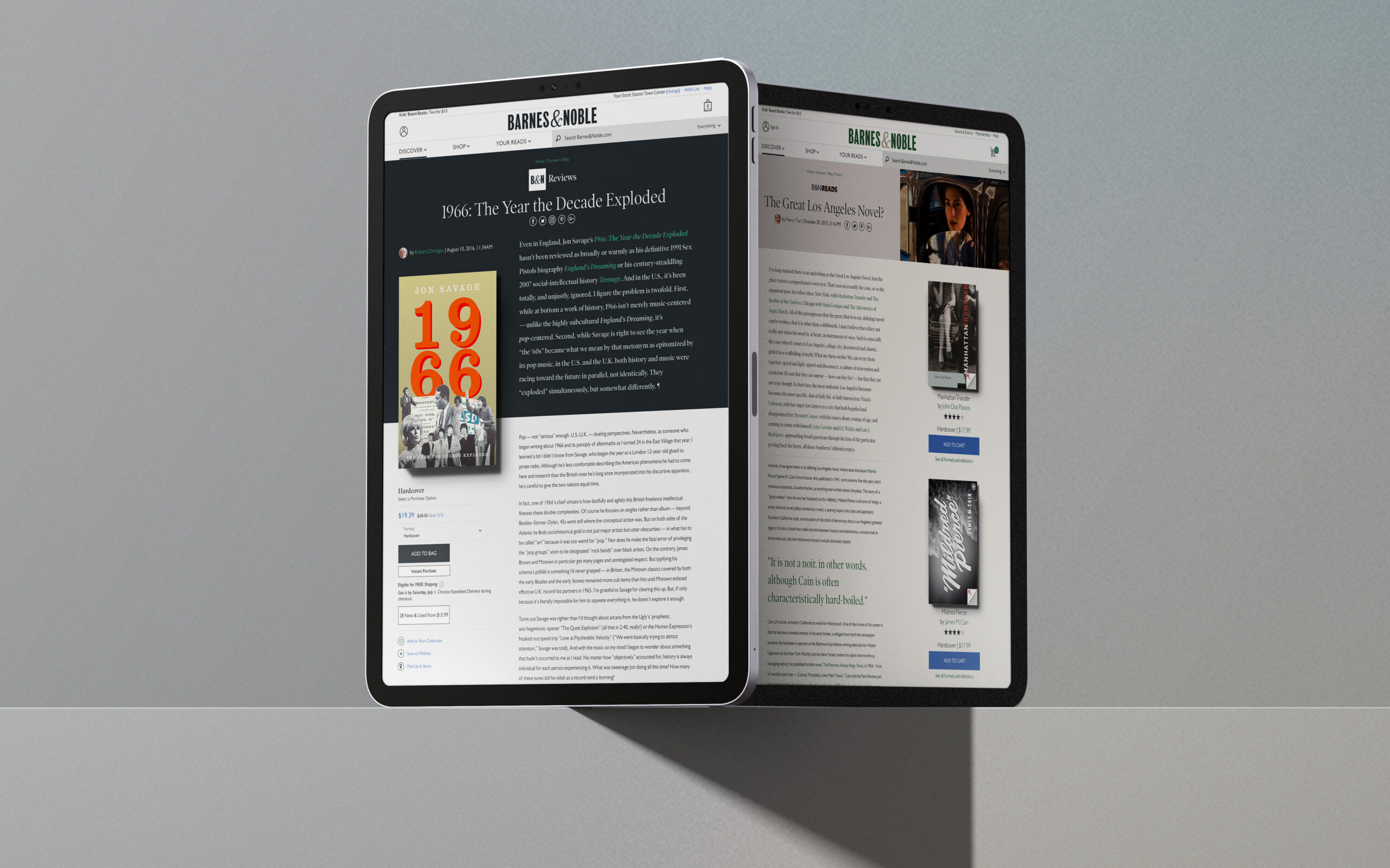
We anchored the entire engagement in a single strategic position: making Barnes & Noble the trusted source for literary discovery, not just a place to complete a purchase. That meant putting editorial content and reader recommendations at the center of the commerce experience itself, bringing the warmth and expertise of an in-store bookseller into the digital space. As project design lead, I guided a team of UX, visual, and content designers through ideation, prototyping, design execution, and testing to bring this discovery-first experience to life.
From that foundation, we built two connected experiences. The first was a book-matching interface designed to surface connections between titles that went beyond conventional algorithm-driven recommendations — grouping books not just by genre, author, or topic, but by nuanced emotional and mood-based profiles, and giving readers the ability to explore exactly what connected one book to another.
The second addressed the gift-giving gap directly: a natural language chatbot that asked gift-givers simple questions about a recipient’s personality and interests, then returned book recommendations paired with personality-based rationales. To power it, we used IBM Watson Personality Insights to analyze the full text of 1,000 currently popular books, generating a personality profile for each title based on the Big Five Personality Model — the most widely used framework for describing how a person engages with the world, capturing five dimensions and thirty facets per profile. We then identified the most distinguishing traits across the catalog to craft a small, approachable set of questions; with just three user inputs, the matching engine could generate a personalized recommendation complete with an explanation the gift-giver could trust.
Impact
85% of testing participants reported an enjoyable book-browsing experience, with 70% describing the recommendations as both “surprising” and “delightful” — validating that mood- and emotion-based matching delivered discovery an algorithm-only approach couldn’t.
98% of the personality profiles generated for the gift-matching engine were validated by expert booksellers as matching their own conventional understanding of each book, confirming the model’s real-world credibility before it ever reached a customer.
The strategic framework repositioned B&N’s digital storefront around discovery and human curation, giving the brand a clear point of differentiation from algorithm-first competitors.
The gift-matching chatbot turned a well-documented customer hesitation — the fear of picking the wrong book for someone else — into a guided, confidence-building experience backed by a genuinely novel use of personality science.